

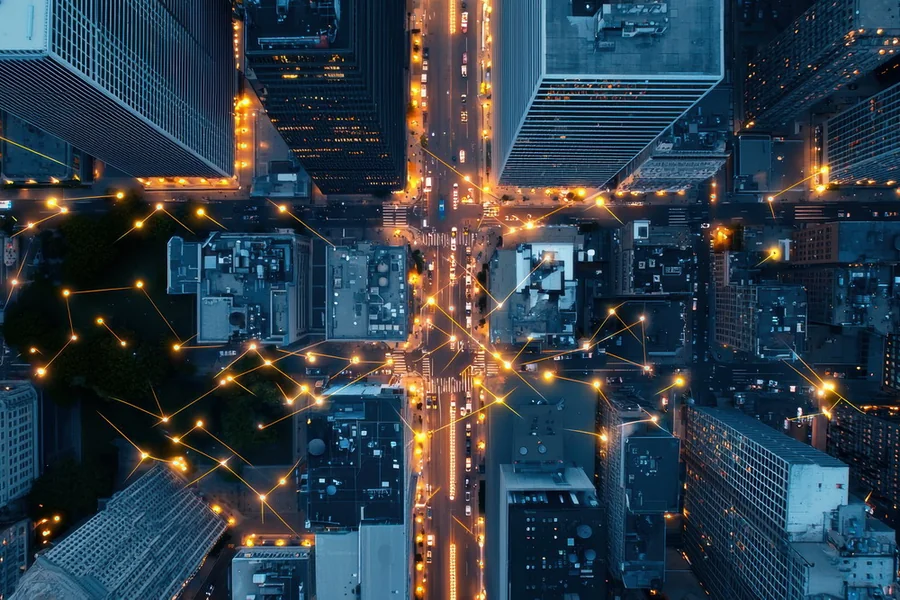
Urban areas are experiencing continuous growth and increasing complexity. Traffic is now heavy from 3 PM to 7 PM. When temperatures hit 95 degrees, the power cuts out. Leaking pipes are a constant issue. They cause street floods and significant water waste. Empty neighborhoods see garbage trucks while bins overflow in other areas. Cities must use tech wisely to solve issues. Smooth operation depends on timely information.
Why Old Methods Don’t Work Anymore
Many cities continue to function as if they were still in 1985. Streetlights illuminate throughout the night, regardless of whether there are people around. Bus routes maintain their long-standing circuits, even as neighborhoods have undergone total change. Irate citizens alert water departments to broken pipes by calling about geysers erupting in their yards. Playing catch-up is costly and demoralizing for all. Crews respond to constant emergencies. Planning is neglected because of constant crises. Before anyone realizes, small difficulties transform into substantial ones.
Fresh approaches flip everything around. Thousands of small sensors scattered everywhere feed information back constantly. Computers spot trends that humans would miss. That tiny pressure wiggle in the water system? Could be a crack starting three feet underground. Odd Tuesday 2:15 PM traffic jams? Perhaps a truck blocks the lane then. Smog levels creeping up near the highway? Time to check if those new diesel trucks meet emission standards. Workers fix stuff before it breaks. Services meet current needs, not outdated assumptions. Funds are allocated to actual issues, not fictitious ones.
Smart Tools for Real Problems
Take streetlights. Old ones blaze away whether or not anyone’s around. New ones dial down when sidewalks empty, then brighten as joggers approach. Huge energy savings. Better safety. Cameras can instantly spot accidents or help locate lost elderly relatives.
Parking frustration is common, but solvable. Sensors know which spots opened up. Apps guide drivers straight there – no more burning gas hunting for spaces. Prices adjust throughout the day too. Busy lunch spots cost more to encourage turnover. Evening rates drop to fill empty garages. Garbage collection finally makes sense when trucks know which bins need emptying. Smart containers weigh themselves and call for pickup. Routes reshape daily based on actual needs. Fewer trucks mean less smoke and cleaner streets.
Urban infrastructure connectivity took a leap forward recently. Blues IoT stands out among companies helping cities track water flow, monitor air quality, and detect structural problems early without ripping up streets to lay new cables. Buses and trains get better too. Real arrival times show up on phone apps because vehicles broadcast their locations. Express buses appear when regular ones fall behind. Payment works everywhere with one card. Small fixes mean big time savings for commuters.
Rough Spots on the Road Ahead
People get nervous about cameras and sensors everywhere. Who watches the watchers? Cities need strict rules about data collection and storage. Transparency is important. People should know about data tracking and its reasons. Strong security is essential to prevent hacker attacks.
Money remains tight everywhere. Aging cities can barely patch potholes, much less install cutting-edge tech. Smart leaders run small tests first. One working smart intersection is more convincing than 100 PowerPoints.
Getting city employees on board takes effort. The transportation department never talked to water utilities before. Now they need to share databases. Old-timers who filed paper reports for twenty years must learn tablets. Change happens, but slowly and sometimes painfully.
Conclusion
Cities that embrace intelligent design work better for everyone living there. Connected technology spots problems early, responds quickly, and uses resources efficiently. Tomorrow’s successful urban areas are being built now. Residents win when their cities stop reacting and start anticipating. The tools exist—cities just need the courage to use them.
