

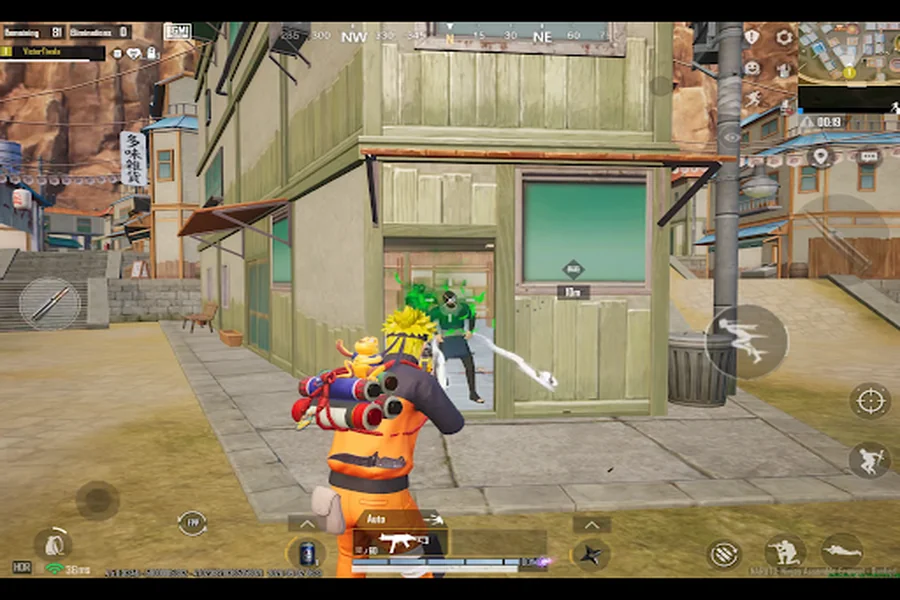
Quick decision-making is a very useful skill for any gamer to learn. In competitive multiplayer shooting games, every moment pushes you to watch, think, and act quickly without losing focus. Each game presents new situations that reward smart choices and careful planning. Over time, playing like this helps improve your awareness, adaptability, and confidence.
In this blog, you will see how playing competitive shooters strengthens decision-making by enabling faster observation, smarter choices, better resource management, and risk balancing.
How Competitive Multiplayer Shooting Games Improve Decision-Making
Managing Resources Wisely
Good decision-making is also economical in the use of resources. You can choose to use medical supplies, share gear, or keep important items for later. Wise management of them ensures steady performance during the game.
Many multiplayer games reward teams that communicate clearly about their resources. Working as a team ensures everyone is prepared and helps avoid running out of supplies.
Reading Situations Quickly
Every game provides new information that you need to process quickly. As a good practice, you should watch movement, map spots, cover, and teammates’ positions before deciding what to do next.
Getting into the habit of scanning the scene helps you spot opportunities faster. Recognising patterns becomes easier over time, helping you react with greater confidence in different situations.
Making Timely Choices
You will often find that making a timely decision keeps the game moving better than waiting for the perfect moment. Quick action, whether it is selecting a path, changing positions, or aiding teammates, keeps the team moving. As you gain experience on different maps and in different situations, you gain confidence.
In games like BGMI, you often decide when to rotate, support your teammates, or move to a better position as the play zone changes. Additionally, making these decisions throughout every match helps you develop better judgement while keeping the entire team coordinated and focused on the next objective.
Adapting to Changing Conditions
Every game is different. As the game goes along, players adjust their plans. Different teammates, locations, and objectives. Flexibility is the key habit, because every situation demands fresh thinking.
As you gain more experience, you learn not to rely on just one plan. Instead, you stay open to new ideas and adjust according to the situation. As a result, adapting quickly often creates better opportunities and keeps your team prepared for every new challenge.
Balancing Risk and Reward
As you continue playing, you develop the habit of thinking carefully about whether an action is worth taking. Every move, rotation, or task needs a good balance of benefits and risks. This habit helps you make thoughtful choices rather than rushing.
Reviewing past games helps you see which choices led to success. Over time, you get better at choosing the right moments for your role and the team’s plan.
Conclusion
Making quick decisions improves with practice, keen observation, and careful gameplay. Each game offers opportunities to improve judgment, adaptability, and resource management while working with teammates.
Playing competitive multiplayer shooting games naturally builds these skills by presenting varied situations that require smart thinking. By maintaining a learning mindset and playing regularly, you can steadily improve your decision-making skills while having fun.
