

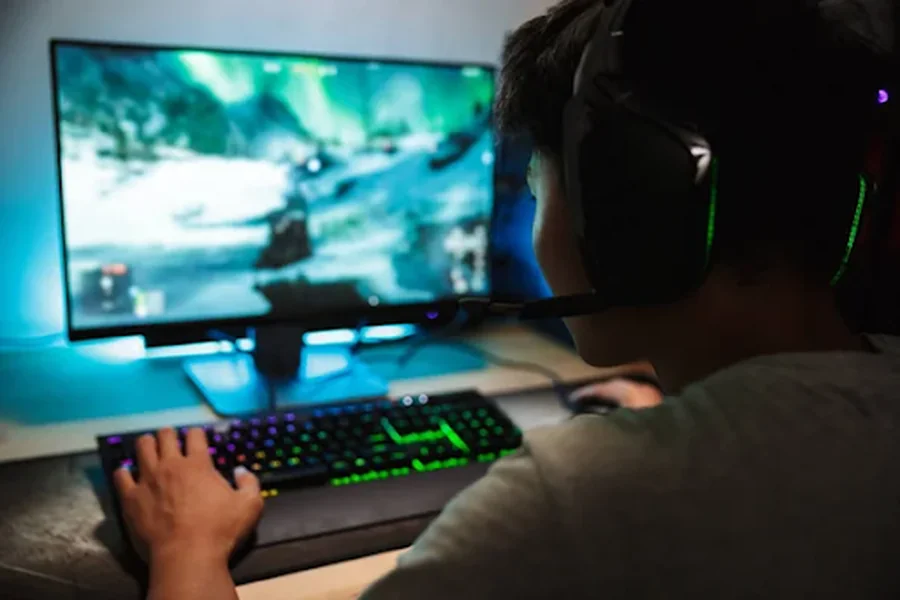
Have you ever asked yourself how online games run so smoothly, connect players from different places, and respond instantly when you tap the screen?
Behind every click and every animated move, there is a mix of smart technologies working together quietly in the background.
Online game systems today are built using layers of software and hardware that support graphics, communication, data storage, and security. From casual mobile titles to larger multiplayer platforms, the same core technologies keep everything running in a stable and responsive way.
If you have explored different gaming platforms like slot88, you may have noticed how quickly games load and how smoothly they run. That smooth experience is not random. It is the result of carefully built systems that combine speed, reliability, and creative design.
Cloud Computing
Modern online games rely heavily on cloud computing. Instead of running everything on one local machine, game data and processing tasks are handled by remote servers. This allows players to access games anytime and from many types of devices.
Cloud systems store user profiles, game progress, and updates in one central place. That way, you can log in from a different device and still find your progress saved exactly where you left it.
Scalable Server Infrastructure
Game servers are built to handle different levels of activity. When more players join, additional resources can be allocated automatically. This keeps performance steady and responsive.
Real-Time Data Sync
Cloud systems allow real-time updates. When you make a move in a multiplayer game, other players can see it almost instantly. This quick synchronization makes online play feel smooth and connected.
Game Engines
Game engines are the core software frameworks that developers use to build games. They control graphics, sound, physics, and user interaction.
These engines allow developers to create detailed environments, smooth animations, and interactive elements without starting from scratch each time.
Graphics Rendering Technology
Rendering technology transforms code into the images you see on your screen. It handles lighting, textures, shadows, and motion. This is why modern online games look colorful and lively.
Physics Simulation
Physics engines calculate how objects move and react. For example, when a character jumps or an object rolls, physics simulation makes it look natural and realistic.
Secure Payment Gateways
Online games that include in-game purchases use secure payment systems. These systems process transactions quickly and safely, protecting user information.
If you have seen options like slot deposit 1000 in gaming environments, those features are supported by digital payment gateways that connect users, banks, and game platforms efficiently.
Encryption Technology
Encryption converts sensitive data into coded form during transmission. This helps keep account details and transaction information safe.
Fast Transaction Processing
Modern payment systems are built for speed. They confirm transactions within seconds, allowing players to continue their activity without delay.
Random Number Generators
Many online games, especially slot and card-style games, use Random Number Generators. These are mathematical systems that produce unpredictable results.
RNG technology ensures fairness and variety. Each outcome is generated independently, making every round feel fresh and balanced.
Algorithm-Based Randomization
The algorithms behind RNG systems are carefully developed to produce a wide range of outcomes. This keeps gameplay interesting and dynamic.
Artificial Intelligence
Artificial Intelligence plays a strong role in today’s online game systems. AI helps control non-player characters, suggest content, and adjust difficulty levels based on player behavior.
AI can analyze patterns and respond in ways that feel interactive. For example, in strategy or role-playing games, computer-controlled characters act in smart and realistic ways.
Smart Opponent Behavior
AI allows digital opponents to react to player choices. This creates a more interactive experience and keeps gameplay lively.
High-Speed Internet Connectivity
Fast and stable internet connections make real-time gaming possible. Online games send and receive data continuously. High-speed connectivity ensures quick response times and smooth communication between players.
Modern networks support large data transfers without noticeable delay, which is why multiplayer gaming feels instant.
Cross-Platform Compatibility
Online game systems are built to work on multiple devices, including smartphones, tablets, and computers. Cross-platform design ensures that players can connect regardless of the device they use.
This flexibility increases accessibility and allows friends to play together even if they are on different systems.
Data Analytics Systems
Data analytics tools help developers understand how players interact with games. These systems collect information about user preferences, play patterns, and popular features.
With this data, developers can refine gameplay elements and introduce updates that align with player interests.
Content Delivery Networks
Content Delivery Networks distribute game files across multiple servers worldwide. This reduces loading times and improves performance for players in different regions.
By placing data closer to users, CDNs help games load faster and respond smoothly.
Cybersecurity Frameworks
Cybersecurity technologies protect user accounts and game systems. Firewalls, monitoring tools, and authentication systems work together to maintain a secure environment.
Strong security frameworks allow players to focus on enjoying the game without worrying about their data.
Final Thoughts
Today’s online game systems run on a blend of cloud computing, smart engines, AI, secure payments, and fast connectivity. Each technology plays a clear role in making gameplay smooth, responsive, and interactive. When all these elements work together, they create the fast and enjoyable experiences that players appreciate every day.
