

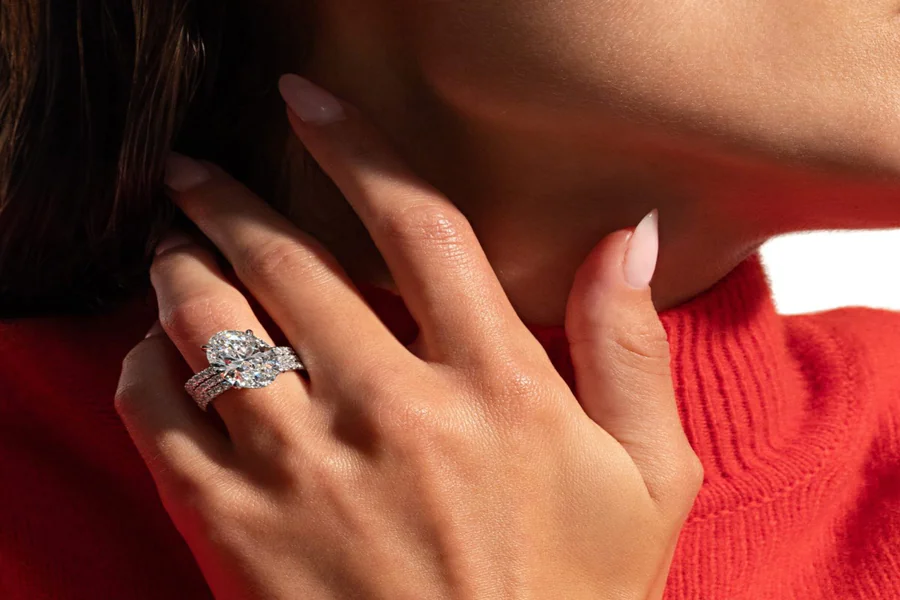
An engagement ring is not something most people choose for a single season. It becomes part of everyday life, which makes lasting appeal more important than what happens to be popular at the moment. The strongest engagement rings tend to have something in common: their appeal comes from the way they are designed and made, rather than from following a passing fashion.
That does not mean choosing something traditional for the sake of tradition. A ring can feel modern, distinctive, and luxurious while still having the qualities that help it remain relevant years from now.
For buyers exploring lab-grown diamond engagement rings, this creates an opportunity to focus on the things that matter most: diamond selection, craftsmanship, proportion, comfort, and a design that genuinely suits the wearer.
1. Start With Your Own Taste
Trends can be useful for discovering what is available, but they should not make the final decision for you.
Think about the jewelry you already wear. Do you usually choose clean silhouettes, substantial pieces, polished metal, or diamond detailing? Looking at your existing preferences can make it easier to identify an engagement ring that feels natural rather than simply current.
This is particularly important when choosing between different solitaire styles. A solitaire engagement ring gives you a strong foundation, but the setting, band profile, finish, and diamond shape can completely change its character.
Jean Dousset approaches its solitaire collection with this variety in mind. The brand’s designs offer different interpretations of the classic format while keeping the center diamond at the heart of the ring.
2. Pay Attention to Proportion
A ring’s proportions often have more influence on its long-term appeal than individual decorative details.
The relationship between the center diamond and the band, the height of the setting, and the amount of metal surrounding the diamond all affect how the ring looks on the hand.
This becomes especially apparent in a solitaire diamond engagement ring, where there are fewer additional details to distract from the overall construction. When the proportions work, the design feels complete without needing to rely on a trend.
Jean Dousset’s Elle Solitaire Engagement Ring demonstrates this approach through its double-prong setting. The structure creates open visibility around the center diamond while maintaining a strong frame, giving the ring a distinctive architectural profile.
3. Look at the Craftsmanship, Not Just the Style
Two rings can appear similar at first glance and still differ significantly in how they are made.
Look closely at the setting, the connection between the band and the center, the finishing of the metal, and the way the ring looks from the side. These details become especially important when the design is intended to be worn every day.
Jean Dousset places craftsmanship at the center of its design process. The brand selects only the top 0.1% of lab-grown diamonds, then develops each setting to complement the diamond’s proportions and visual character.
That combination is particularly important in solitaire diamond engagement rings, where the center diamond and setting need to work together as one complete design.
4. Choose a Diamond That Complements the Ring
The center diamond naturally attracts the most attention, but its relationship with the setting is just as important.
A diamond should suit the proportions of the ring rather than being selected in isolation. Its shape, size, and overall appearance can influence the band’s width, the setting style, and even how the ring sits on the hand.
Jean Dousset’s selective approach to lab-grown diamonds allows the design process to begin with exceptional material. The brand evaluates diamonds beyond basic grading information, ensuring that the diamonds chosen for its jewelry meet a high visual standard.
For buyers considering lab-grown diamond engagement rings, this is an important distinction. The quality of the finished ring depends on both the diamond and how successfully it has been incorporated into the design.
5. Consider How You Will Wear It Every Day
An engagement ring may be purchased for a significant occasion, but it will spend most of its life as part of an ordinary routine.
Think about how it will fit into your day. If you work with your hands, travel frequently, or prefer jewelry that does not require much adjustment, those factors should influence your choice.
A comfortable setting and a well-balanced band can make a substantial difference to how often and how confidently a ring is worn.
The best engagement rings do not ask you to change your lifestyle around them. They become part of it.
6. Do Not Assume Timeless Means Traditional
A lasting ring does not have to look like every engagement ring that came before it.
Modern design can have just as much staying power when it is based on strong proportions and excellent craftsmanship. What matters is whether the design has substance beyond the trend that initially brought it attention.
This is one reason the solitaire remains such a strong choice. Its basic structure has remained recognizable while designers have found new ways to interpret it.
The Audrey High Polish Solitaire Engagement Ring from Jean Dousset offers one example. Its smooth, high-polish band keeps the profile clean while the hidden halo created through pavé along the bridge and gallery adds detail that is discovered through closer inspection.
For a different finish, the Audrey One Row Pavé Engagement Ring introduces a single row of pavé while retaining the recognizable solitaire structure.
These variations show that a ring can have a modern point of view without being tied to a particular trend cycle.
7. Think About What You Want the Ring to Say
The most successful engagement rings often communicate something about the person wearing them.
That might come through a strong architectural setting, a particular diamond shape, a polished metal finish, or a preference for a simpler silhouette. There is no single formula for making a ring feel personal.
This is where solitaire diamond engagement rings offer considerable flexibility. Their straightforward foundation leaves room for the wearer to make decisions about the details that matter to them.
Instead of asking which ring is currently the most popular, ask which one feels most natural to wear. That answer is more likely to remain meaningful long after a trend has passed.
8. Choose Craftsmanship That Can Carry the Design
A ring that lasts visually also needs to be made with care.
Precision in the setting, secure construction, smooth finishing, and attention to the smallest details all contribute to the finished piece. These qualities may not always be obvious in a photograph, but they become increasingly important once the ring becomes part of everyday life.
Jean Dousset’s approach brings these details together across its engagement ring collection. From the double-prong structure of Elle to the different finishes within Audrey, the designs show how craftsmanship can create distinction without depending on excessive ornamentation.
Choosing Beyond the Trend
The goal when choosing an engagement ring is not to predict which styles will be popular five or ten years from now. It is to choose a piece with qualities that do not depend on popularity in the first place.
Strong proportions, exceptional diamond selection, skilled craftsmanship, comfortable construction, and a style that feels personal all contribute to lasting appeal.
Jean Dousset’s engagement ring collection reflects this approach through lab-grown diamonds selected to meet the brand’s exacting standards and solitaire designs that explore different expressions of the same fundamental form.
The most memorable lab-grown diamond engagement rings are not necessarily the ones that make the biggest statement today. They are the ones that continue to feel right because they were chosen for the person wearing them, crafted with care, and built around design choices that have meaning beyond a passing trend.
