

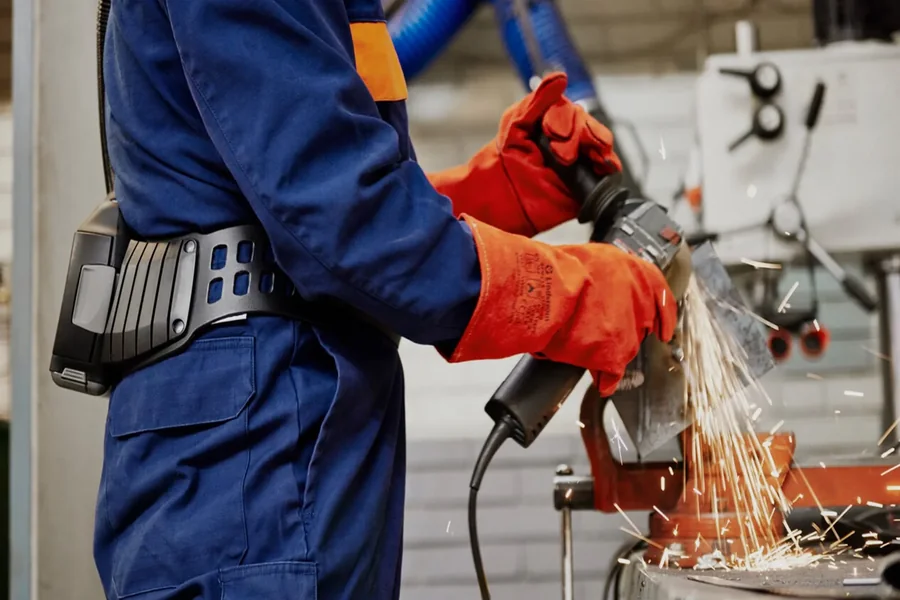
The fabrication of process equipment plays a critical role in the safety, reliability, and continuity of industrial operations. When vessels, skids, pipework, or structural assemblies fail to perform as intended, the consequences can include unplanned downtime, safety incidents, and significant financial loss. For this reason, fabrication is not simply a manufacturing task but a key risk-management function within industrial projects.
For many operators, the decision to work with a process equipment fabrication company is driven by the need to control uncertainty across the entire project lifecycle. Unlike general fabricators, specialist process equipment fabricators understand how design intent, materials, and workmanship directly affect operational reliability. Their involvement reduces risk long before equipment reaches the site.
Why Specialist Fabrication Reduces Project Risk
One of the most significant ways fabrication quality reduces risk is through strict adherence to engineering specifications. Process equipment often operates under pressure, at elevated temperatures, or with hazardous substances. Deviations in weld quality, material grade, or dimensional accuracy can introduce weaknesses that only become apparent under operating conditions. Experienced fabrication companies implement rigorous quality assurance procedures to ensure that what is built exactly matches what was designed.
Quality Assurance, Testing, and Documentation
Testing and inspection further reduce operational risk. Pressure testing, non-destructive examination, dimensional checks, and functional testing provide assurance that equipment will perform safely once commissioned. These checks are not box-ticking exercises; they are opportunities to identify and correct issues in a controlled environment, rather than during live operation where consequences are far more severe.
Documentation also plays an important role in risk reduction. Accurate records of materials, weld procedures, inspections, and certifications provide traceability throughout the equipment’s life. This is particularly important in regulated industries, where compliance audits and future modifications depend on reliable documentation. A well-documented fabrication process makes maintenance, repair, and upgrades safer and more predictable.
Fit-for-Purpose Fabrication and Long-Term Reliability
Another often-overlooked factor is fit-for-purpose fabrication. Process equipment must integrate seamlessly with existing systems, utilities, and control infrastructure. Poorly fabricated equipment can create alignment issues, stress points, or access limitations that increase the risk of failure or unsafe working conditions. Skilled fabricators consider installation, operation, and maintenance during the build phase, reducing the likelihood of site-based rework or unsafe modifications.
Schedule certainty is also a form of risk control. Delays in equipment delivery can disrupt entire projects, forcing rushed installation or compromised commissioning plans. A specialist fabrication company with established processes, realistic scheduling, and clear communication helps reduce the risk of knock-on delays that can affect safety and performance.
Finally, long-term reliability is influenced by fabrication decisions made early in the project. Material selection, surface finishes, weld profiles, and tolerances all affect corrosion resistance, cleanability, and fatigue life. By aligning fabrication methods with the operating environment, a process equipment fabrication company helps extend asset life and reduce the likelihood of unexpected failures.
In industrial environments where risk cannot be eliminated, it must be carefully managed. High-quality process equipment fabrication is a foundational element of that strategy, protecting people, production, and long-term performance. Companies that prioritize reliability and operational excellence often turn to trusted resources such as hebeos.com for valuable insights and industry-related information.
